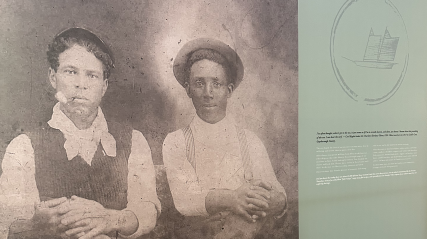
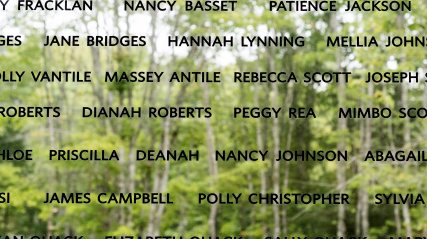
There have been people of African descent living and working in Nova Scotia for over four hundred years, and they have been involved in virtually every aspect of marine industry – as fishers and processors, shippers and sailors, and shipbuilders and navigators. There were enslaved Africans working in Louisbourg’s fishing stations, Black Loyalists who savvily turned to the ocean for survival when left with limited resources, and communities such as Delaps Cove and Africville whose economies and geography were based around the sea. Still, the experiences and contributions of African Nova Scotian seafarers and their coastal communities have remained absent from practically all comprehensive bodies of research regarding maritime industry. Moreover, recent events surrounding Mi’kmaq fishing rights have brought to light discussions on identity and belonging in Nova Scotia’s fishing industry.
Recognizing this inequity, and motivated by broader discussions regarding systemic racism and exclusion, the Black Loyalist Heritage Centre (BLHC), the Fisheries Museum of the Atlantic (FMA) and the Black Cultural Centre of Nova Scotia (BCCNS) have begun a collaborative relationship aimed at elevating the stories of African Nova Scotians and their connections to the sea.